The Gift of Calm: Why Every Busy Mom Deserves a Moment of Peace This Mother’s Day
Motherhood is often described as a beautiful marathon, a journey filled with endless love and tireless devotion that rarely pauses

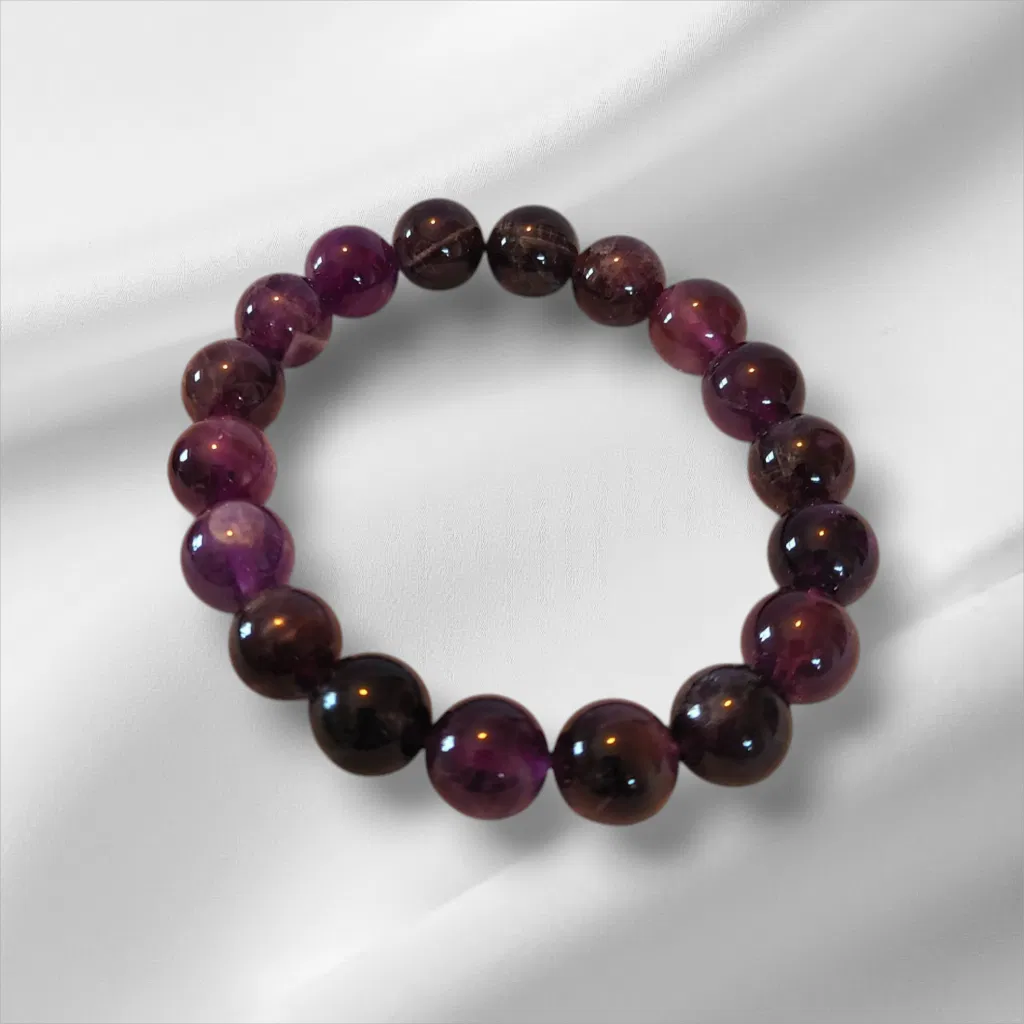
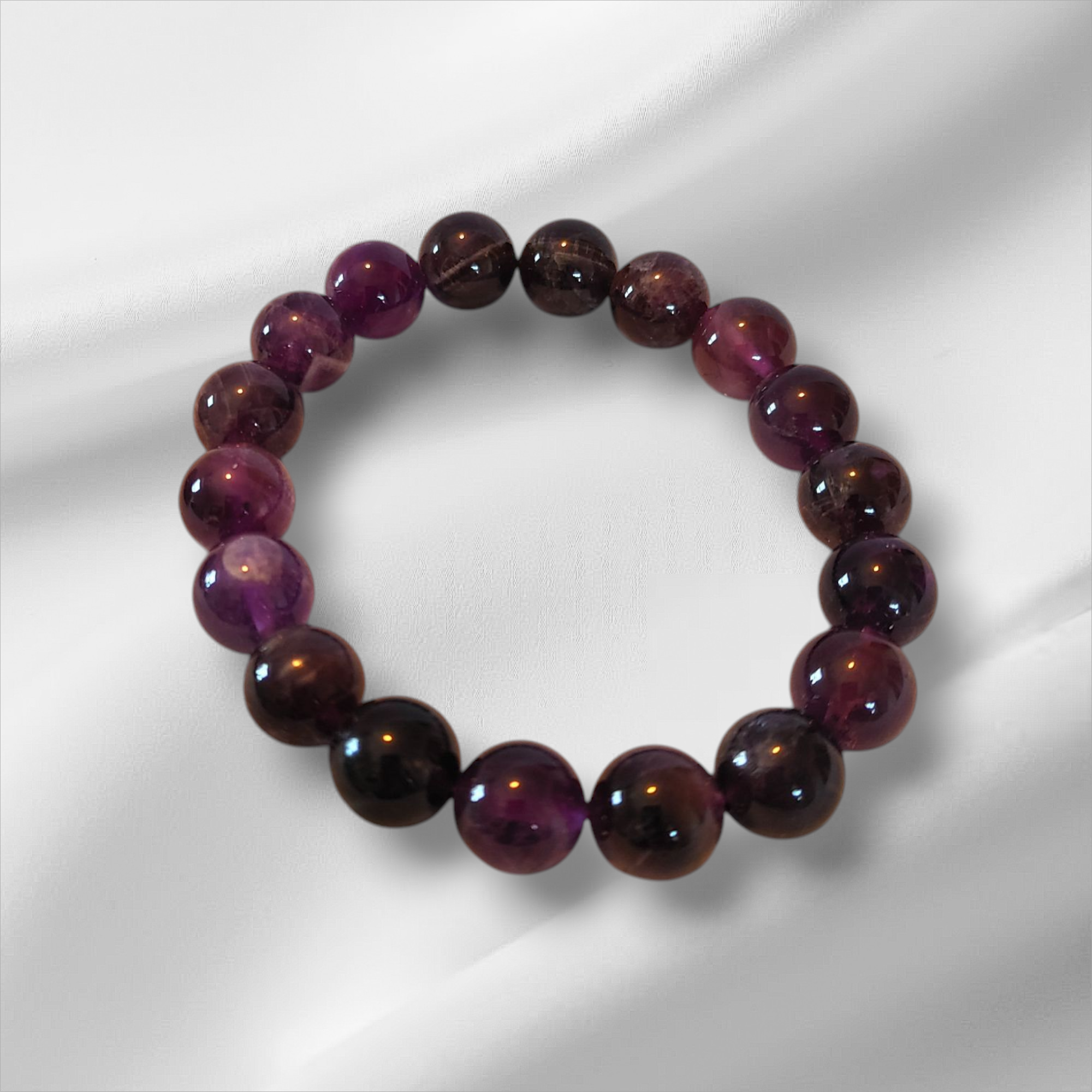
Amethyst is a violet variety of quartz composed of silicon dioxide, or SiO₂, and is recognized by gemological organizations as a durable gemstone with a hardness of 7 on the Mohs scale. Its purple color ranges from delicate lilac to deep reddish violet, with the most valued examples displaying strong, even saturation. According to the Gemological Institute of America, amethyst was historically considered as valuable as ruby and emerald until significant deposits were discovered in Brazil during the nineteenth century.
The name amethyst comes from the ancient Greek word amethystos, commonly translated as “not intoxicated,” reflecting an early belief that the stone could prevent drunkenness. Across different cultures and time periods, amethyst has been associated with clarity, sobriety, prayer, and spiritual reflection. The American Gem Trade Association notes that the stone has been used in religious and contemplative traditions for centuries, including the creation of prayer beads.

Within contemporary crystal healing, amethyst is traditionally regarded as a stone of calm, intuition, spiritual awareness, and energetic protection. Practitioners often use it as a focal object during meditation because its cool purple color and reflective surface can provide a stable visual or tactile point of attention. These qualities make amethyst one of the most approachable healing crystals for beginners.
The traditional association with calm makes amethyst a common choice for quiet corners, bedrooms, meditation areas, and evening rituals. Holding the stone, observing its color, or placing it nearby can help establish a repeated transition from external activity to inward focus. The crystal itself has not been scientifically proven to treat anxiety, insomnia, or other health conditions; however, the ritual surrounding its use may support mindfulness, intentional breathing, and a more consistent relaxation practice.
Amethyst is also described as an intuitive stone, particularly when used for reflection, journaling, visualization, and contemplative work. In spiritual practice, intuition refers to the ability to notice subtle impressions, patterns, and inner responses without immediately dismissing them or allowing them to be overwhelmed by constant mental activity. Amethyst can serve as a symbolic reminder to slow down and listen carefully to your own thoughts.
The Third Eye chakra, or Ajna, is traditionally located between the eyebrows and is associated with insight, perception, imagination, and intuitive understanding. Practitioners may place amethyst near this area during meditation or simply hold it while directing attention toward a personal question. This practice is not a medical technique; it is a structured form of symbolic concentration that can make meditation feel more intentional and organized.
The Crown chakra, or Sahasrara, is traditionally positioned at the top of the head and connected with spiritual connection, higher awareness, and contemplative wisdom. Because amethyst is associated with both the Third Eye and Crown chakras, it is often selected for practices that move from mental quiet toward spiritual reflection. You can explore this framework further through Zen Balance Box’s guide to chakra-balancing tools.
A balanced approach requires treating chakra associations as part of a spiritual system rather than as established anatomy or clinical science. You may use amethyst to support your intention, meditation, or personal symbolism while continuing to rely on qualified healthcare professionals for physical or psychological concerns. Crystal work can complement a wellness routine, but it should not replace medical care, therapy, prescribed treatment, or evidence-based sleep support.
Amethyst is frequently included in evening rituals because its traditional symbolism emphasizes stillness, clarity, and release from mental overstimulation. Some practitioners place a small stone on a nightstand, beside a journal, or near a meditation cushion before bed. The purpose is to create a consistent environmental cue for winding down rather than to rely on the crystal as a guaranteed treatment for insomnia.
A simple nighttime practice begins with dimming bright lights, setting aside electronic devices, and placing the amethyst somewhere visible but secure. Take several slow breaths, relax the shoulders, and write down any unfinished thoughts that may interfere with rest. Continue for five to ten minutes, allowing the stone to represent a boundary between the responsibilities of the day and the quiet of the evening.
Avoid placing crystals under your pillow if they are sharp, heavy, or likely to disturb your sleep, and keep small stones away from children and pets. Amethyst is generally durable for ordinary handling, but prolonged exposure to strong sunlight may fade some purple stones over time. For jewelry or polished pieces, follow basic gemstone care recommendations, including gentle cleaning with warm water, mild soap, and a soft brush when appropriate.

Cleansing and charging are terms used in contemporary crystal traditions to describe the symbolic renewal of a stone after meditation, energy work, or extended use. There is no scientific evidence that moonlight, sound, smoke, or intention changes amethyst’s physical energy in the metaphysical sense. Nevertheless, these rituals can provide a meaningful pause for reflection and help you maintain a deliberate relationship with your meditation tools.
Use sound cleansing by placing the amethyst on a clean surface and allowing a singing bowl, bell, or soft chime to sound nearby for several moments. Focus on the idea of clearing distractions and returning the stone to a neutral place within your ritual. Sound is especially practical for clusters, bracelets, and pieces with irregular surfaces that may be difficult to clean with water.
Use moonlight charging by placing the amethyst near a secure windowsill overnight, away from moisture and direct outdoor exposure. Moonlight is traditionally associated with receptivity, reflection, and intuitive awareness. If the stone is a bracelet or another finished piece, position it where it will not fall, become tangled, or be exposed to conditions that may damage its setting.
Use intention-based charging by holding the amethyst in both hands and stating a brief purpose, such as, “May this ritual remind me to pause, breathe, and listen inwardly.” This approach does not alter the quartz structure, but it can strengthen the psychological connection between the object and the habit you want to build. Clean the stone physically when needed, and use spiritual cleansing as a complementary ritual rather than a substitute for ordinary care.
Begin your practice by selecting a quiet location and sitting comfortably with your feet supported or your body fully relaxed. Hold the amethyst in one hand, place it beside your meditation cushion, or position it in front of you at eye level. Set a timer for five to ten minutes so that you can remain present without repeatedly checking the time.
Direct your attention toward a slow, natural breath, noticing the movement of the abdomen or the sensation of air passing through the nose. When thoughts arise, acknowledge them without judgment and return to the breath or the weight of the crystal in your hand. For Third Eye work, gently bring awareness to the space between the eyebrows; for Crown chakra work, imagine a soft violet or white light above the head without forcing any particular sensation.
Close the meditation by recording one observation in a journal, such as a recurring thought, a physical sensation, or an intention for the day. This final step keeps the practice grounded in self-observation rather than expectation. If the experience feels uncomfortable, discontinue the exercise, return attention to your surroundings, and choose a grounding activity such as walking, stretching, or speaking with a trusted professional.
A sacred space does not need to be large or elaborate; it can be a small shelf, a corner of a bedroom, or a dedicated place beside a favorite chair. Begin with a clean surface, soft lighting, and only the objects that support your practice. An amethyst can be placed alongside a journal, candle, meditation guide, essential oil diffuser, or another item that helps you enter a calmer state of attention.
Arrange the space according to function rather than appearance alone. Keep the crystal where it can be reached easily for meditation, place written intentions nearby, and store oils or other products according to their care instructions. A consistent arrangement reduces preparation time and makes it easier to return to your ritual, even on busy days.

Layer sensory elements carefully by choosing one gentle scent, a comfortable texture, or a quiet sound rather than filling the area with competing stimuli. Zen Balance Box combines crystals with essential oils, guided meditations, aromatherapy products, and other healing tools to support a structured wellness ritual. You can learn more about the brand’s approach through the Zen Balance Box products page.
A crystal subscription box can simplify the process of beginning an energy-focused wellness practice by bringing together complementary tools instead of requiring you to research and purchase every item separately. Zen Balance Box offers Basic, Advance, Pro, and Pro Plus tiers, with each level featuring hand-selected crystals and supportive wellness products chosen by certified practitioners.
The Basic tier may suit someone who wants an accessible introduction to crystals, meditation, and intentional self-care. The Advance tier may be appropriate for a beginner who would like a broader selection of crystals, healing tools, and aromatherapy products while developing a more consistent practice. Each box is designed to support exploration at your own pace, with higher tiers offering increasingly premium and rare materials.
If amethyst aligns with your practice, consider exploring the Zen Balance Box subscription options and selecting the Basic or Advance tier as a gentle starting point. Use the box as an invitation to create regular moments of stillness, reflection, and mindful connection. The most meaningful ritual is the one you can return to consistently.
Amethyst is both a well-defined gemstone and a powerful symbol within modern spiritual practice, combining the physical identity of purple quartz with long-standing associations of calm, intuition, prayer, and higher awareness. When used thoughtfully, it can become a tangible anchor for meditation, journaling, evening reflection, and sacred-space design.
Let the crystal support your intention, not replace your judgment or professional care. Hold it during a quiet breath, place it in a peaceful corner, or include it in a carefully prepared ritual that helps you pause and reconnect. Through repetition, simple practices can become steady reminders that calm and clarity are worthy parts of everyday life.
#CrystalOfTheWeek #HealingCrystals #CrystalHealing #EnergyHealing #Reiki #ChakraHealing #CrystalSubscriptionBox #Meditation #CrystalsForBeginners #ZenBalanceBox
Motherhood is often described as a beautiful marathon, a journey filled with endless love and tireless devotion that rarely pauses
Distance can sometimes make the heart grow fonder, but it also makes us realize how much we want to care
Motherhood is a journey defined by a thousand quiet sacrifices, a million gentle words of encouragement, and an endless stream
Date: June 18, 2026Comments: 0Category: Wellness Technical Insights The technical integration of Reiki energy into physical mediums constitutes a specialized
Published on June 18, 20260 CommentsReading Time: 8 minutes The integration of elemental water and artisanal botanicals serves as a
The concept of chakra balancing originates from ancient Indian spiritual traditions that map the human body into seven primary energy
Shuffling the eternal deck…
'; let html = ''; for (let i = 0; i < cards.length; i++) { const cardName = cards[i]; const data = await fetchCard(cardName); const imageUrl = getCardImageUrl(cardName); html += ` `; container.innerHTML = html; await new Promise(r => setTimeout(r, 850)); } } // Button Functions async function dailyDraw() { const container = document.getElementById('spread-container'); container.innerHTML = 'Drawing your daily card…
'; const card = getRandomCard(); const data = await fetchCard(card); const imageUrl = getCardImageUrl(card); container.innerHTML = ` `; } async function threeCardDraw() { const cards = Array.from({length:3}, getRandomCard); const positions = ["The Past", "The Present", "The Future"]; await revealCardsOneByOne(cards, positions); } async function fiveCardDraw() { const cards = Array.from({length:5}, getRandomCard); const positions = ["The Present", "The Challenge", "The Past", "The Future", "The Advice"]; await revealCardsOneByOne(cards, positions); } async function celticCross() { const cards = Array.from({length:10}, getRandomCard); const positions = ["1. Heart of the Matter","2. Crossing","3. Root","4. Recent Past","5. Crown","6. Near Future","7. Self","8. Environment","9. Hopes & Fears","10. Outcome"]; await revealCardsOneByOne(cards, positions); } // Rune Functions (simplified) const runeMeanings = { /* paste your runeMeanings object here */ }; async function threeRuneDraw() { const container = document.getElementById('spread-container'); container.innerHTML = 'The runes are cast into the firelight…
'; // ... (keep your current rune logic) } async function fiveRuneDraw() { const container = document.getElementById('spread-container'); container.innerHTML = 'The runes are being cast…
'; // ... (keep your current rune logic) } // Attach click events (this is more reliable on mobile) document.getElementById('btn-daily').addEventListener('click', dailyDraw); document.getElementById('btn-3card').addEventListener('click', threeCardDraw); document.getElementById('btn-5card').addEventListener('click', fiveCardDraw); document.getElementById('btn-celtic').addEventListener('click', celticCross); document.getElementById('btn-3rune').addEventListener('click', threeRuneDraw); document.getElementById('btn-5rune').addEventListener('click', fiveRuneDraw); });