The Gift of Calm: Why Every Busy Mom Deserves a Moment of Peace This Mother’s Day
Motherhood is often described as a beautiful marathon, a journey filled with endless love and tireless devotion that rarely pauses

Date: June 18, 2026
Comments: 0
Category: Wellness Technical Insights
The technical integration of Reiki energy into physical mediums constitutes a specialized sector of the modern wellness industry that merges early 20th-century Japanese spiritual practices with contemporary manufacturing and curation. While the term "Reiki-infused" is frequently employed in marketing materials, the specific procedural requirements and ethical considerations governing these products remain largely obscured from the general public. Understanding the technicalities of how reiki healing products are prepared is essential for consumers seeking to verify the authenticity and energetic integrity of their spiritual tools. This narrative examines the precise methodologies used by practitioners to program mineral structures, the historical shift from manual therapy to product-based applications, and the critical importance of supply chain transparency in the acquisition of ethically sourced crystals.
The process of infusing a mineral structure with Reiki energy begins with a rigorous phase of energetic preparation known as "cleansing," which is designed to neutralize any existing vibrational imprints within the stone. Practitioners utilize various techniques to achieve this state of neutrality, including the application of high-frequency sound via singing bowls, the use of herbal smoke such as dried sage or palo santo, or immersion in natural salt. This preparatory stage ensures that the crystal: acting as a stable geometric lattice: is capable of receiving and retaining a new energetic signature without interference from prior environmental exposure or handling during the mining and transportation phases.

Once the stone has been neutralized, the Reiki practitioner proceeds to "charge" or "program" the object through a series of focused meditative actions and symbolic invocations. According to standard Reiki protocols, the practitioner enters a state of centered awareness, often referred to as "turning on" the flow of universal life energy, and proceeds to channel this energy into the stone through manual proximity or direct contact. The use of specific Reiki symbols: such as the Cho Ku Rei for power or the Sei He Ki for emotional balance: is a critical technical component, as these symbols act as conduits that direct the energy toward a specific functional outcome, such as fostering calm or enhancing focus during meditation.
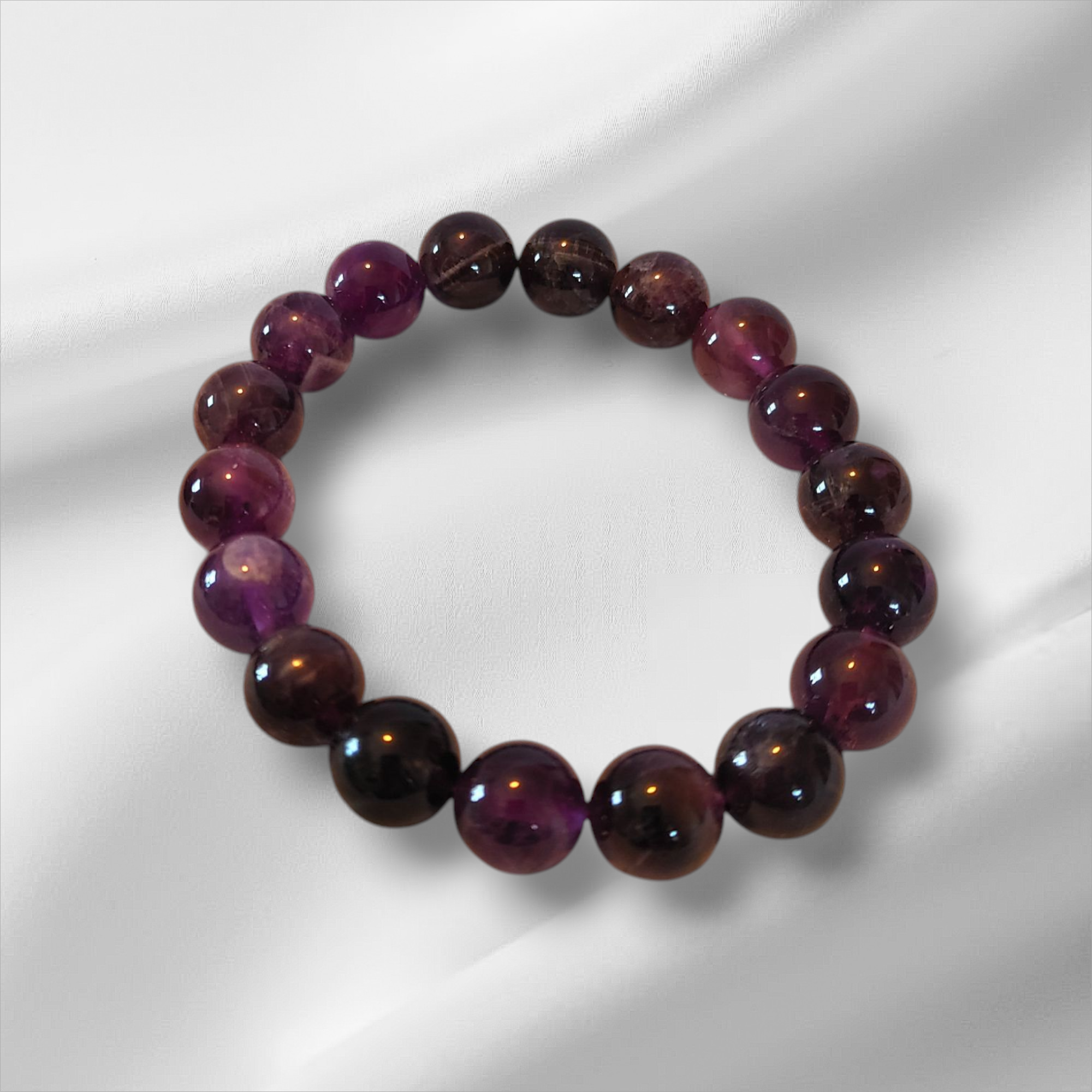
Technical experts in the field emphasize that the duration and intensity of this infusion process vary based on the mineral density and the intended application of the final product. A single clear quartz cluster may require several minutes of sustained channeling to reach a state of saturation, whereas smaller stones intended for use in jewelry, such as an amethyst chakra harmony bracelet, may be processed in larger batches using collective energetic grids. The resulting energy healing crystals are believed to hold this charge until it is intentionally cleared or naturally dissipates through heavy use, necessitating a standardized maintenance routine for the end-user to ensure continued efficacy.
The acquisition of minerals for use in Reiki products is a process fraught with complex geopolitical and environmental challenges that are often omitted from the promotional narratives of mainstream wellness brands. The global crystal trade operates within a multi-billion dollar industry where stones are frequently extracted from regions with minimal labor regulations, leading to potential issues involving unsafe working conditions and environmental degradation. For a product to truly embody the principles of Reiki: specifically the precept of "showing compassion to every living thing": the physical medium itself must be obtained through a transparent and responsible supply chain.

Ethically sourced crystals represent the intersection of spiritual values and social responsibility, requiring brands to perform extensive due diligence on their suppliers. This involves verifying that mining operations utilize sustainable extraction methods that minimize habitat destruction and ensuring that workers at every stage of the process, from excavation to polishing, are compensated with fair wages. Furthermore, the traceability of a stone from its "mine of origin" to the final consumer is the primary metric by which ethical integrity is measured, as a lack of transparency often serves to mask exploitative practices that are fundamentally incompatible with the healing intentions of Reiki.
When evaluating reiki healing products, consumers are advised to prioritize providers who offer detailed information regarding their sourcing standards and environmental policies. Organizations that maintain direct relationships with small-scale artisanal mines or cooperatives are generally better positioned to guarantee the ethical status of their inventory. By selecting ethically sourced crystals, individuals ensure that their personal wellness journey does not contribute to the systemic harm of distant communities or ecosystems, thereby aligning the physical origin of their tools with the spiritual purity of the Reiki energy itself.
The origins of Reiki as a spiritual discipline can be traced to the early 20th century in Japan, where its founder, Mikao Usui, established the Usui Reiki Ryoho Gakkai. Initially, the practice was centered on personal spiritual development and hands-on healing sessions designed to support the body's natural recovery processes. The system was structured around a set of five core precepts, known as the Gokai, which emphasized mindfulness, gratitude, and ethical conduct in daily life. In its original form, Reiki was a strictly manual and meditative art, with no recorded use of external tools or mineral enhancers in the treatment protocols developed by Usui or his immediate successors.

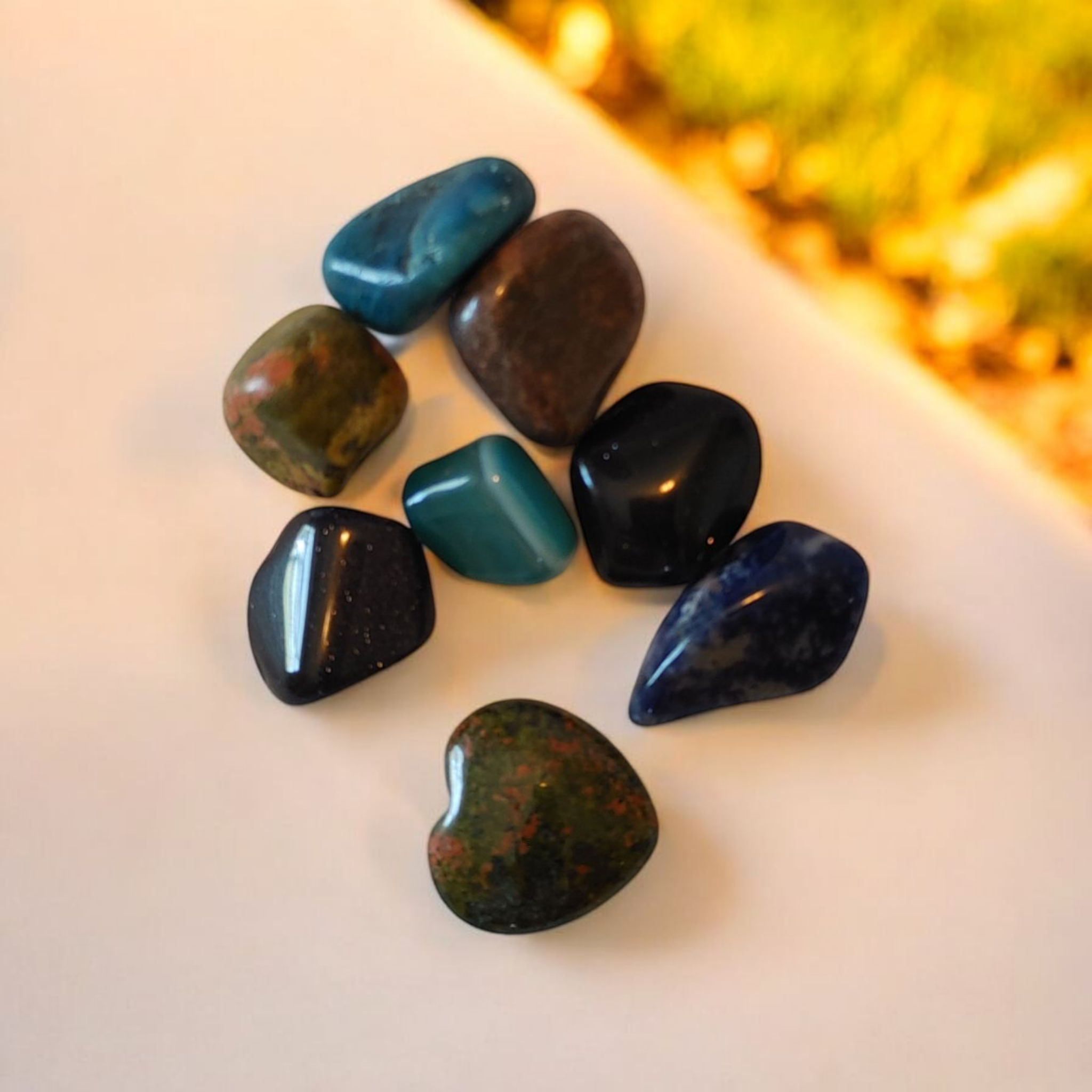
The transition from a purely practitioner-led therapy to a product-inclusive wellness model occurred primarily during the late 20th century, as Reiki spread to Western cultures and began to intermingle with other holistic traditions. This period of cross-pollination saw the integration of concepts such as the Vedic chakra system and the Western tradition of lapidary medicine. The resulting synthesis led to the development of contemporary wellness tools, such as the Zen Balance Box, which curates specific minerals like rose quartz and amethyst to correspond with different energetic centers, all while being infused with Reiki energy to bridge the gap between traditional practice and modern self-care rituals.
This evolutionary shift has allowed Reiki to become more accessible to individuals who may not have the resources or time for regular in-person sessions with a certified practitioner. By infusing physical objects with the same vibrational qualities found in a professional session, the wellness industry has created a "tangible practitioner" model where the energy is stored within the crystalline structure of the stone. This modern application reflects a broader trend toward the democratization of spiritual tools, providing users with the ability to integrate Reiki into their daily lives through consistent contact with infused jewelry, stones, and aromatherapy products.
To preserve the energetic integrity of Reiki-infused products, owners must adhere to a routine of maintenance that mirrors the initial infusion process performed by the practitioner. Over time, energy healing crystals may accumulate what is colloquially known as "vibrational static," which results from the stone absorbing the dense or discordant energies of its environment. To ensure that the Reiki charge remains potent, it is recommended that users cleanse their stones at least once per month, or more frequently if the tools are utilized for intensive meditation or emotional processing.
Perform the following steps to maintain your Reiki-infused tools:

By following these technical guidelines, users can extend the lifespan of their reiki healing products and maintain a high level of spiritual utility. The synergy between a well-maintained physical tool and the enduring presence of infused Reiki energy creates a powerful foundation for personal growth and holistic wellness. For those interested in exploring a structured approach to energy healing, the Zen Balance Box products page offers a range of expertly curated and ethically sourced options designed to support every stage of the spiritual journey.
#ZenBalance #MothersDay2026 #GiftOfCalm #SelfCareForMom #MomDeservesThis #WellnessGifts #PeaceForMom #HandcraftedWithLove
Motherhood is often described as a beautiful marathon, a journey filled with endless love and tireless devotion that rarely pauses
Distance can sometimes make the heart grow fonder, but it also makes us realize how much we want to care
Motherhood is a journey defined by a thousand quiet sacrifices, a million gentle words of encouragement, and an endless stream
Date: June 18, 2026Comments: 0Category: Wellness Technical Insights The technical integration of Reiki energy into physical mediums constitutes a specialized
Published on June 18, 20260 CommentsReading Time: 8 minutes The integration of elemental water and artisanal botanicals serves as a
The concept of chakra balancing originates from ancient Indian spiritual traditions that map the human body into seven primary energy
Shuffling the eternal deck…
'; let html = ''; for (let i = 0; i < cards.length; i++) { const cardName = cards[i]; const data = await fetchCard(cardName); const imageUrl = getCardImageUrl(cardName); html += ` `; container.innerHTML = html; await new Promise(r => setTimeout(r, 850)); } } // Button Functions async function dailyDraw() { const container = document.getElementById('spread-container'); container.innerHTML = 'Drawing your daily card…
'; const card = getRandomCard(); const data = await fetchCard(card); const imageUrl = getCardImageUrl(card); container.innerHTML = ` `; } async function threeCardDraw() { const cards = Array.from({length:3}, getRandomCard); const positions = ["The Past", "The Present", "The Future"]; await revealCardsOneByOne(cards, positions); } async function fiveCardDraw() { const cards = Array.from({length:5}, getRandomCard); const positions = ["The Present", "The Challenge", "The Past", "The Future", "The Advice"]; await revealCardsOneByOne(cards, positions); } async function celticCross() { const cards = Array.from({length:10}, getRandomCard); const positions = ["1. Heart of the Matter","2. Crossing","3. Root","4. Recent Past","5. Crown","6. Near Future","7. Self","8. Environment","9. Hopes & Fears","10. Outcome"]; await revealCardsOneByOne(cards, positions); } // Rune Functions (simplified) const runeMeanings = { /* paste your runeMeanings object here */ }; async function threeRuneDraw() { const container = document.getElementById('spread-container'); container.innerHTML = 'The runes are cast into the firelight…
'; // ... (keep your current rune logic) } async function fiveRuneDraw() { const container = document.getElementById('spread-container'); container.innerHTML = 'The runes are being cast…
'; // ... (keep your current rune logic) } // Attach click events (this is more reliable on mobile) document.getElementById('btn-daily').addEventListener('click', dailyDraw); document.getElementById('btn-3card').addEventListener('click', threeCardDraw); document.getElementById('btn-5card').addEventListener('click', fiveCardDraw); document.getElementById('btn-celtic').addEventListener('click', celticCross); document.getElementById('btn-3rune').addEventListener('click', threeRuneDraw); document.getElementById('btn-5rune').addEventListener('click', fiveRuneDraw); });