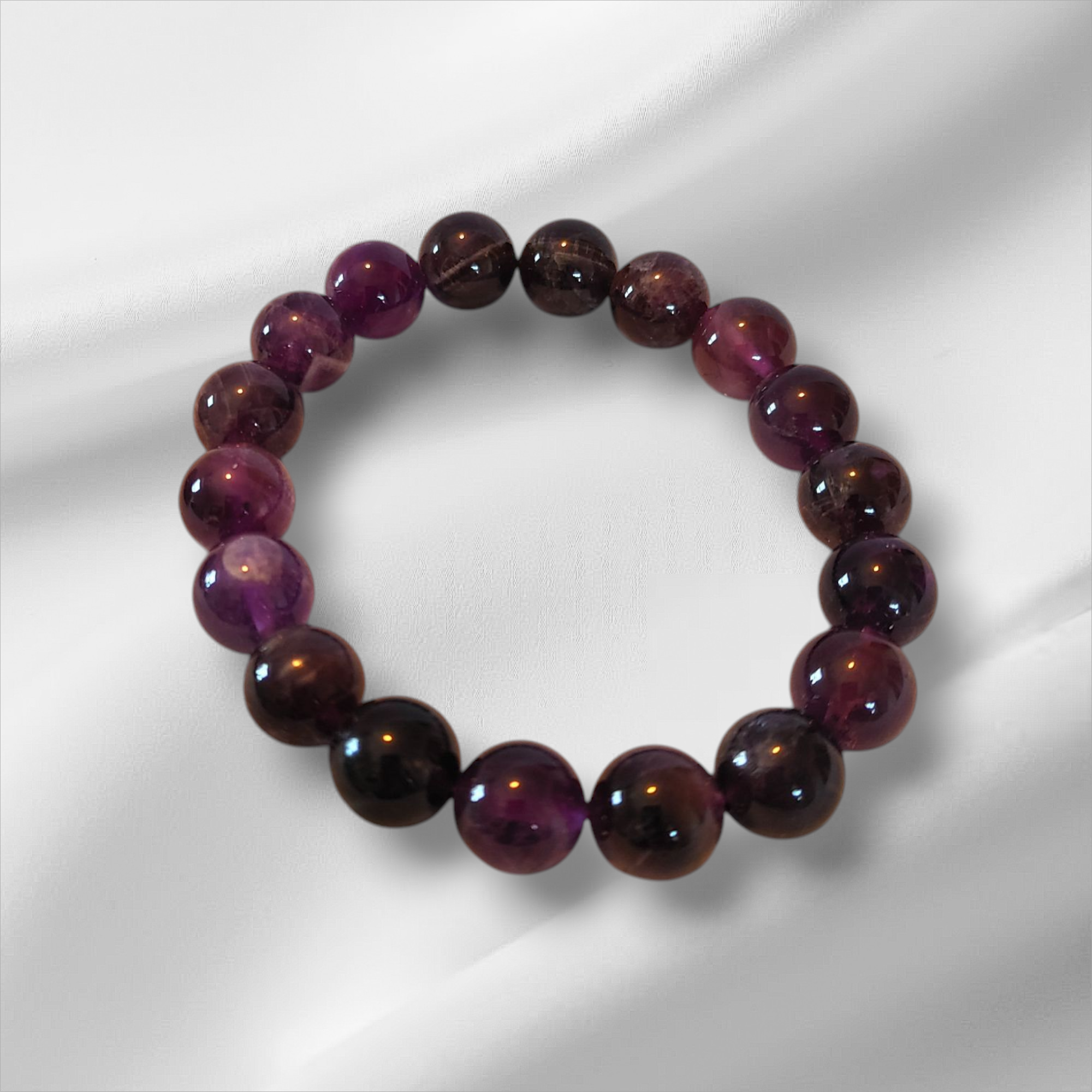
The Gift of Calm: Why Every Busy Mom Deserves a Moment of Peace This Mother’s Day
Motherhood is often described as a beautiful marathon, a journey filled with endless love and tireless devotion that rarely pauses

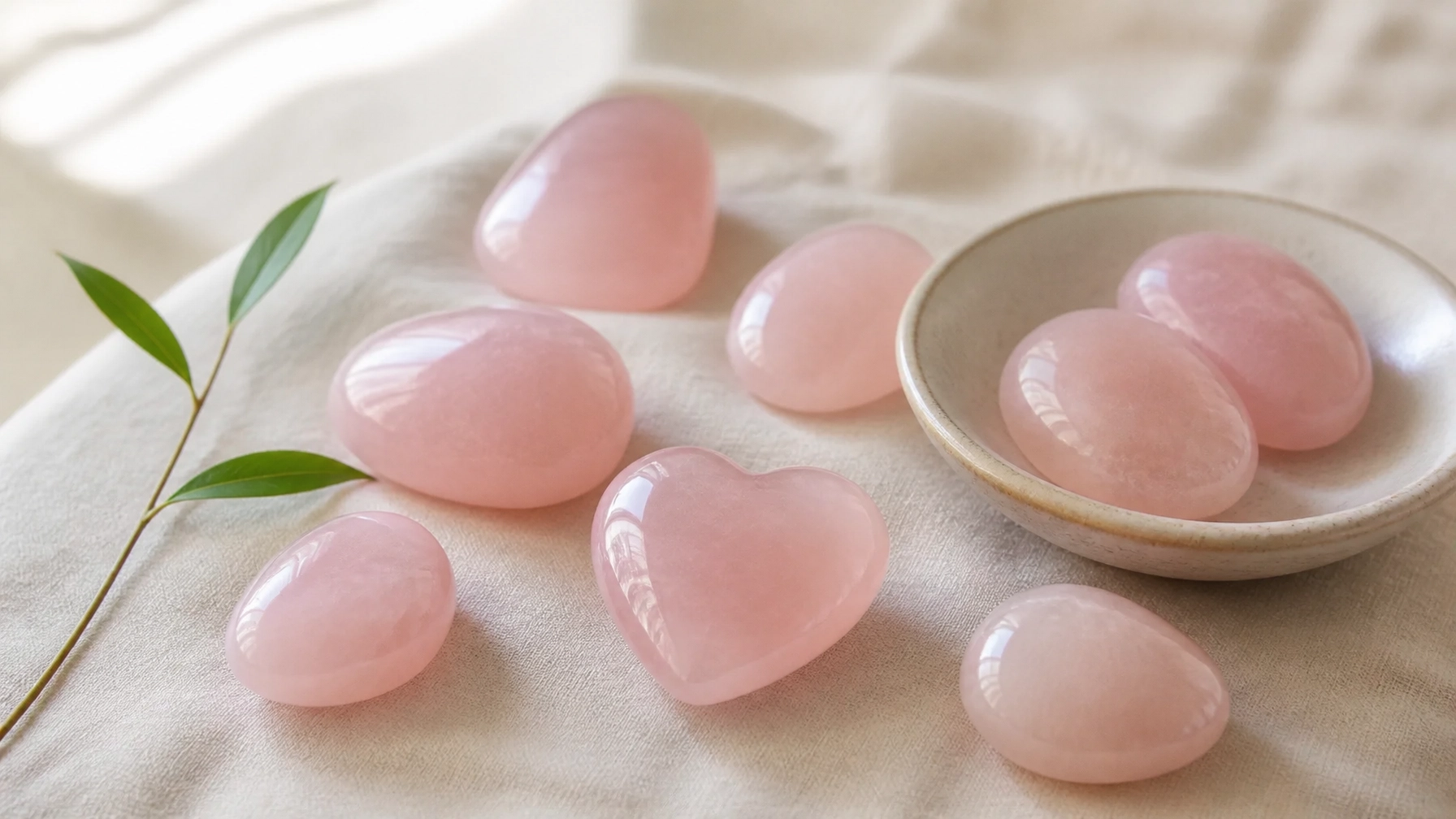
Crystal of the Week: September 3 | Zen Balance Box Pillar 3
Rose quartz is one of the most widely recognized healing crystals for beginners, valued in crystal traditions for its soft pink color and association with unconditional love. Often called the “Heart Stone,” it is traditionally connected with self-love, compassion, emotional healing, and harmonious relationships.
This gentle mineral offers both a meaningful spiritual symbol and a tangible focus for meditation. Whether you are beginning an energy healing crystals practice or deepening an established ritual, rose quartz can serve as a reminder to approach yourself and others with patience, kindness, and care.
Rose quartz is a pink variety of quartz, a mineral composed primarily of silicon dioxide, or SiO₂. Its color may range from very pale pink to deeper rosy shades, with the appearance influenced by trace elements and microscopic inclusions within the stone. According to the Gemological Institute of America, rose quartz has been valued throughout history for its color, durability, and ornamental beauty.
Natural deposits occur in several regions, including Brazil, Madagascar, South Africa, India, and the United States. Rose quartz commonly appears hazy or translucent rather than completely clear, and polished pieces may display a soft, diffused glow. With a Mohs hardness of approximately seven, it is suitable for many forms of jewelry, meditation stones, and decorative objects, although it should still be handled with care.
Historical traditions have associated rose quartz with love, beauty, fertility, and emotional harmony for thousands of years. Modern crystal practitioners continue to use it as a symbolic support during reflection, intention-setting, and heart-centered meditation. These spiritual interpretations are not the same as established medical evidence, but they can provide structure and meaning within a personal wellness practice.
The Heart Chakra, known in many yogic traditions as Anahata, is described as the energetic center located near the middle of the chest. It is traditionally associated with love, compassion, forgiveness, connection, and emotional balance. The Heart Chakra is represented by the color green, although rose quartz is frequently used alongside it because of the stone’s pink color and long-standing connection with love.
Working with rose quartz does not require a particular belief system or advanced knowledge of chakras. You may simply use the stone as a physical anchor while focusing on breath, emotional awareness, or a personal intention. In this context, the crystal helps make an internal practice more concrete: holding a smooth stone can encourage slower breathing and provide a steady point of attention when thoughts become distracted.
A heart-centered intention may be as simple as “I offer myself patience” or “I welcome healthy, respectful connection.” The purpose is not to force an emotional outcome but to create a quiet moment in which feelings can be noticed without judgment. For a broader introduction to chakra practices, explore Zen Balance Box’s beginner’s guide to chakra balancing tools.

Self-love is one of the central associations of rose quartz. In crystal traditions, the stone is used to encourage self-acceptance, self-forgiveness, and a gentler inner dialogue. This practice can be particularly useful when daily responsibilities, perfectionism, or self-criticism make it difficult to recognize personal needs.
Relationship harmony is another common meaning attributed to rose quartz. Practitioners often place it in shared spaces or carry it as a reminder to communicate with greater patience and compassion. The stone cannot resolve conflict or replace honest conversation, but its symbolism may help reinforce intentions such as listening carefully, responding thoughtfully, and maintaining healthy boundaries.
Emotional healing is traditionally connected with the gradual release of grief, disappointment, resentment, or old hurt. Working with rose quartz should not require suppressing difficult feelings or pretending that pain does not exist. Instead, the stone can accompany journaling, meditation, or supportive conversations as a reminder that healing may take place gradually and with appropriate care.
Compassion extends beyond romantic relationships. Rose quartz is often used to reflect on kindness toward family members, friends, communities, and oneself. A simple daily practice may involve identifying one area in which greater patience is needed, then using the stone as a quiet reminder to act from understanding rather than immediate reaction.
Scientific evidence does not currently establish that rose quartz produces physical or psychological healing effects through measurable energetic properties. As explained by Healthline’s overview of rose quartz, many reported benefits are anecdotal and may also relate to intention, mindfulness, symbolism, or the placebo effect. Rose quartz should complement, never replace, professional medical or mental health care.
Begin with a comfortable position in a quiet space where you can remain undisturbed for five to ten minutes. Sit upright with your shoulders relaxed, or lie down if that allows the body to remain comfortable and alert. Place the rose quartz in one or both hands, or rest it gently over clothing near the center of the chest.
Consistency matters more than duration for beginners. A three-minute practice repeated regularly may be more useful than a longer session that is difficult to maintain. If strong or distressing emotions arise, stop the exercise, orient yourself to the room, and seek appropriate support when needed.
An evening ritual can use rose quartz as a gentle transition between the activity of the day and a period of rest. Keep the practice simple, safe, and free from pressure to achieve a particular dream, emotional state, or physical result.
A bedtime crystal is best treated as a symbolic focus object, not a treatment for insomnia or another health condition. Avoid placing crystals in water for drinking, and do not use stone rituals in place of guidance from a qualified healthcare professional.

Ethically sourced crystals are selected with attention to origin, labor conditions, environmental impact, and transparency throughout the supply chain. Because sourcing information can vary considerably between sellers, look for businesses that explain where their stones come from and how suppliers are evaluated.
Responsible purchasing may include asking whether a seller works with traceable suppliers, small-scale miners, fair-trade partners, or audited sources. Clear information is preferable to vague claims about purity or energetic strength. Ethical consideration also reflects the wider meaning of rose quartz: care should extend to the people, communities, and environments connected with the stone.
Zen Balance Box emphasizes curated wellness tools, ethically sourced crystals, essential oils, guided meditations, and aromatherapy products selected by certified practitioners. Each box is infused with Reiki energy and designed to support meditation, chakra awareness, and spiritual growth. Explore the Zen Balance Box products to see the current collection of crystals and wellness tools.
Rose quartz offers a gentle starting point for anyone exploring energy healing crystals, meditation, or chakra-based reflection. Its mineral properties explain its physical identity, while its traditional symbolism provides a framework for practices centered on self-love, compassion, emotional awareness, and healthy connection.
A small daily ritual can create meaningful space for reflection: hold the stone during a few quiet breaths, place it beside your journal, or keep it near your meditation cushion. Allow the practice to remain simple and personal.
For ongoing guidance, consider joining the Zen Balance Box subscription. The Basic, Advance, Pro, and Pro Plus tiers offer progressively expanded selections of crystals, healing tools, guided resources, and aromatherapy products, helping you build a consistent wellness ritual one thoughtfully curated box at a time.
#CrystalOfTheWeek #HealingCrystals #CrystalHealing #EnergyHealing #Reiki #HeartChakra #CrystalSubscriptionBox #Meditation #CrystalsForBeginners #ZenBalanceBox
Motherhood is often described as a beautiful marathon, a journey filled with endless love and tireless devotion that rarely pauses
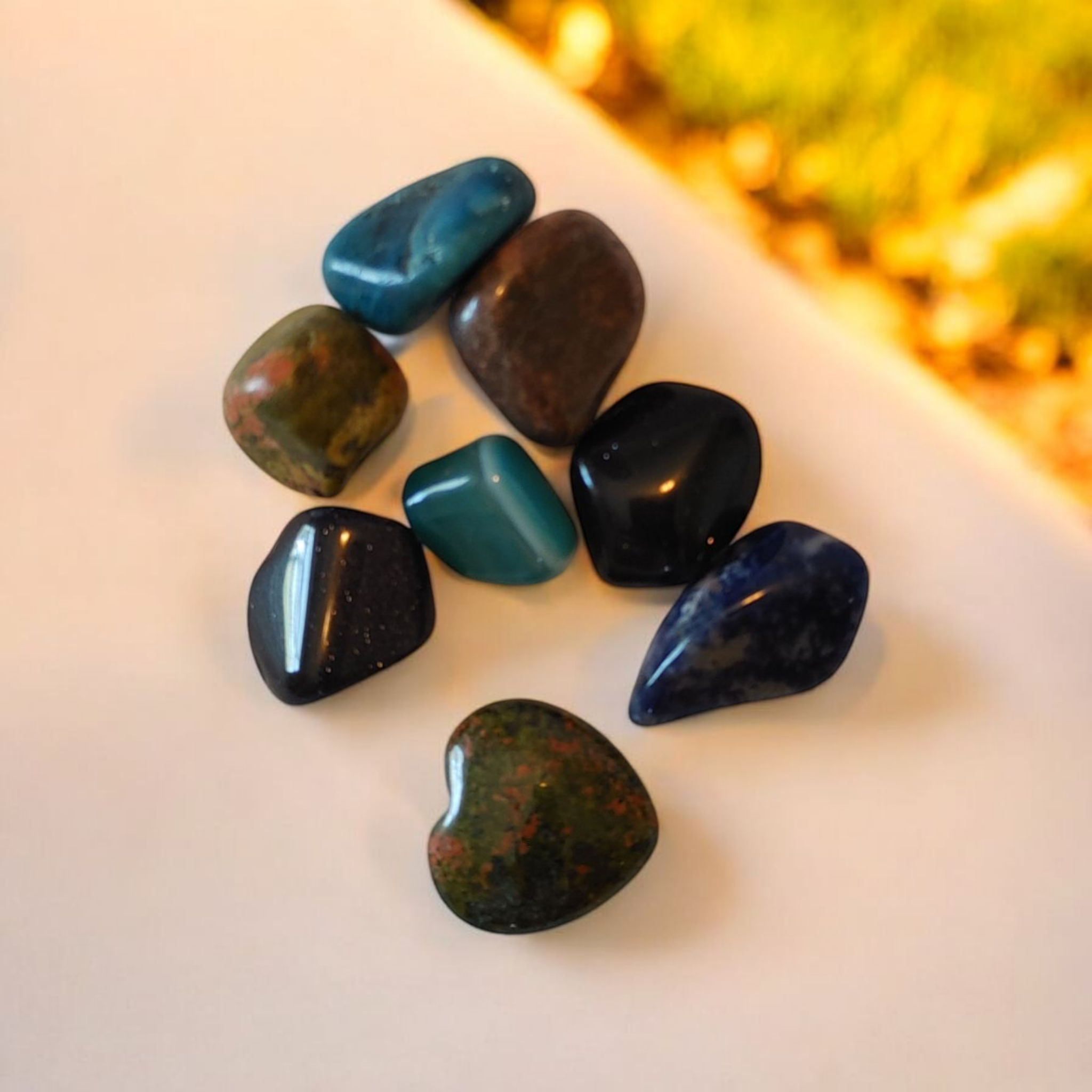
Distance can sometimes make the heart grow fonder, but it also makes us realize how much we want to care
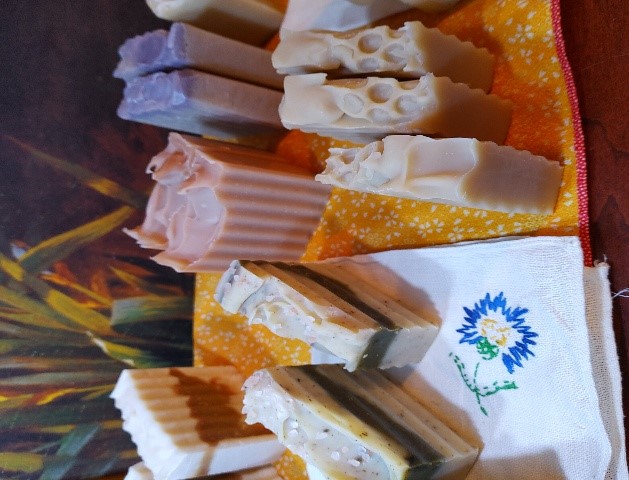
Motherhood is a journey defined by a thousand quiet sacrifices, a million gentle words of encouragement, and an endless stream
Date: June 18, 2026Comments: 0Category: Wellness Technical Insights The technical integration of Reiki energy into physical mediums constitutes a specialized
Published on June 18, 20260 CommentsReading Time: 8 minutes The integration of elemental water and artisanal botanicals serves as a
The concept of chakra balancing originates from ancient Indian spiritual traditions that map the human body into seven primary energy
Shuffling the eternal deck…
'; let html = ''; for (let i = 0; i < cards.length; i++) { const cardName = cards[i]; const data = await fetchCard(cardName); const imageUrl = getCardImageUrl(cardName); html += ` `; container.innerHTML = html; await new Promise(r => setTimeout(r, 850)); } } // Button Functions async function dailyDraw() { const container = document.getElementById('spread-container'); container.innerHTML = 'Drawing your daily card…
'; const card = getRandomCard(); const data = await fetchCard(card); const imageUrl = getCardImageUrl(card); container.innerHTML = ` `; } async function threeCardDraw() { const cards = Array.from({length:3}, getRandomCard); const positions = ["The Past", "The Present", "The Future"]; await revealCardsOneByOne(cards, positions); } async function fiveCardDraw() { const cards = Array.from({length:5}, getRandomCard); const positions = ["The Present", "The Challenge", "The Past", "The Future", "The Advice"]; await revealCardsOneByOne(cards, positions); } async function celticCross() { const cards = Array.from({length:10}, getRandomCard); const positions = ["1. Heart of the Matter","2. Crossing","3. Root","4. Recent Past","5. Crown","6. Near Future","7. Self","8. Environment","9. Hopes & Fears","10. Outcome"]; await revealCardsOneByOne(cards, positions); } // Rune Functions (simplified) const runeMeanings = { /* paste your runeMeanings object here */ }; async function threeRuneDraw() { const container = document.getElementById('spread-container'); container.innerHTML = 'The runes are cast into the firelight…
'; // ... (keep your current rune logic) } async function fiveRuneDraw() { const container = document.getElementById('spread-container'); container.innerHTML = 'The runes are being cast…
'; // ... (keep your current rune logic) } // Attach click events (this is more reliable on mobile) document.getElementById('btn-daily').addEventListener('click', dailyDraw); document.getElementById('btn-3card').addEventListener('click', threeCardDraw); document.getElementById('btn-5card').addEventListener('click', fiveCardDraw); document.getElementById('btn-celtic').addEventListener('click', celticCross); document.getElementById('btn-3rune').addEventListener('click', threeRuneDraw); document.getElementById('btn-5rune').addEventListener('click', fiveRuneDraw); });